The Coin You Bring
An obol for the ferryman. The toll, in three Coptic books, was never metal.
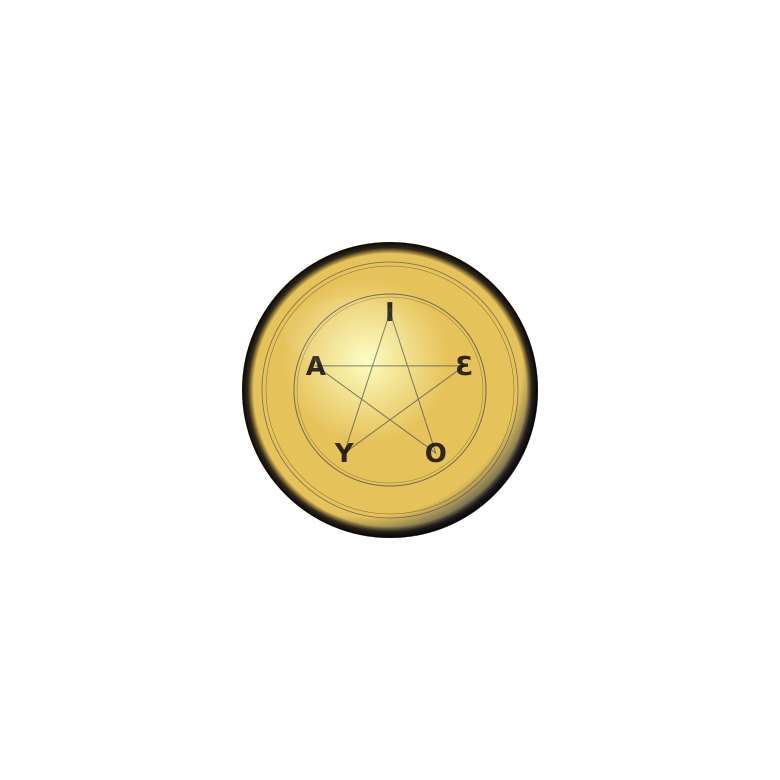
Charon, at the river. A coin under the tongue.
Without it — the crossing is refused.
The image goes east.
Much later, Coptic works describe another kind of passage. In those books the toll is not metal.
From the First Apocalypse of James (Nag Hammadi V.3). Jesus is coaching James through what he will be asked after his death.
There are three demands: name yourself, name your origin, and name the place you are bound for.
He gives the answers.
The answer begins with kinship to the Father. At the next tier, it reaches past that title to the Pre-Existent One.
From · from · in.
When they press, the charge is that descent through the lower powers makes the traveler theirs. The reply distinguishes a mediated origin through Achamoth from the ultimate source in the Pre-Existent One. Kinship and estrangement are both part of the answer.
Achamoth.
When the detainers claim the traveler on the strength of a body, the answer refuses their claim of kinship and asks how a power ignorant of its own origin could know the traveler’s.
The vessel speaks. The mother does not.
A second book.
The Books of Jeu (Bruce Codex, Coptic). For passage through the heavenly regions, the text gives several things to use together:
- names and invocations
- ciphers
- displayed seals
The text spends pages drawing the seals.
Jesus teaches the route; Jeu names a divine figure of the treasuries.
A third book.
The Pistis Sophia (Askew Codex). Longer, denser. Jesus describes souls moving through ranks of light, each bearing the seal of a mystery. The names and signs mark a passage toward the inheritances of Light.
The three books are open.
Charon does not give change.
Sources
- First Apocalypse of James — Nag Hammadi Codex V, tractate 3; source translation by William R. Schoedel, paraphrased here rather than reproduced.
- Books of Jeu — Bruce Codex; independent scholarly overview of the composite text, its figures, seals, ciphers, and dialogue.
- Pistis Sophia — Askew Codex; English translation by G. R. S. Mead, revised edition 1921, chapter 98.